Managing multiple client websites on your own hosting setup can quickly become time-consuming and stressful.
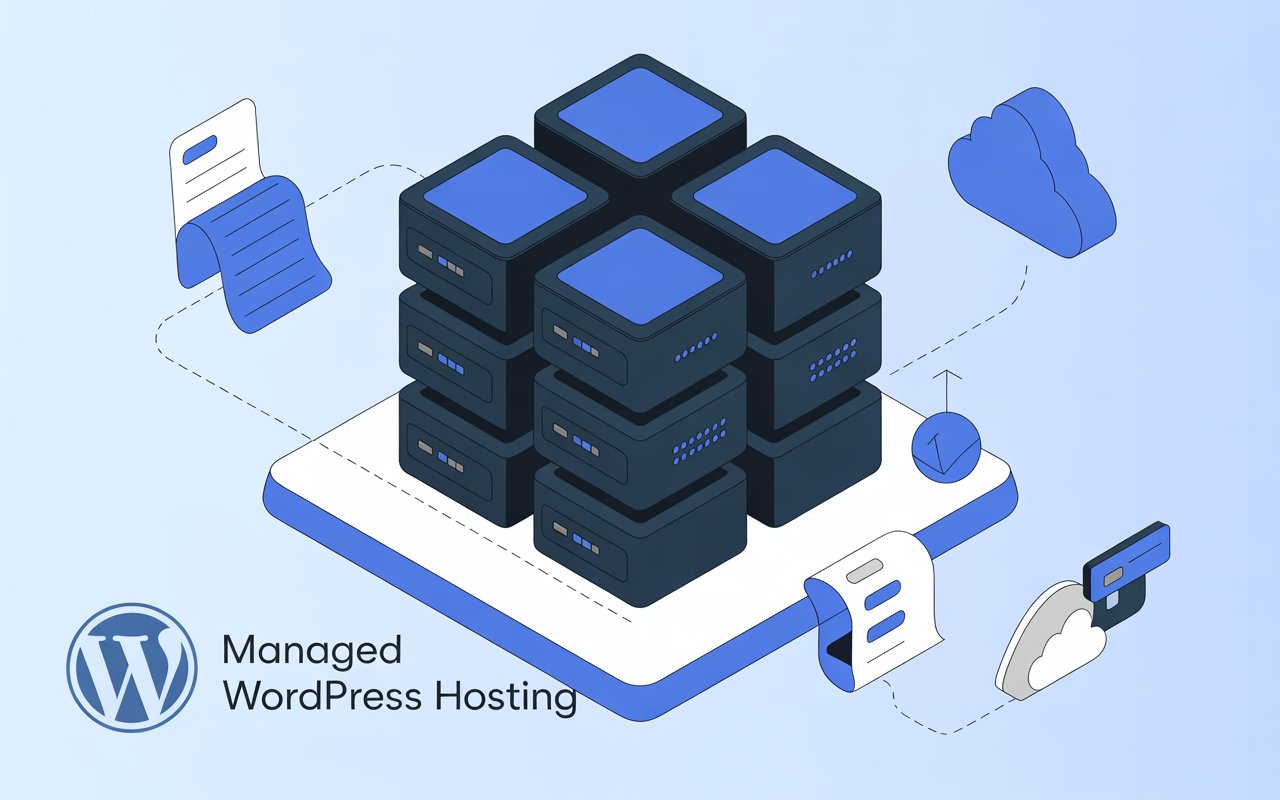
That’s where managed WordPress hosting comes in.
It handles updates, security, performance, and backups for you, so you can focus on running your agency instead of fixing technical issues.
Small agencies with under 20 clients have different needs than larger teams.
You need something affordable, easy to manage, and reliable enough to keep every client site running smoothly without constant oversight.
This guide simplifies your decision.
You’ll find the best managed WordPress hosting options that balance cost, performance, and ease of use without overpaying for features you don’t need.
The goal is simple: faster websites, stronger security, and less technical work on your plate.
If you want a side-by-side comparison, check our best WordPress hosting providers for agencies guide before choosing.
What Small Agencies Actually Need From Hosting
Scalability Without Enterprise Pricing
Small agencies grow steadily, not all at once. Your hosting should handle that growth without forcing you into expensive plans too early.
You need a setup that comfortably supports 5 to 20 client websites on one account. This keeps costs predictable and avoids juggling multiple hosting providers.
As you add new clients, you should be able to upgrade your plan smoothly without migrating sites or dealing with downtime.
Flexible pricing matters just as much. Look for providers that scale based on sites, traffic, or resources, so you only pay for what you actually use.
This keeps your margins healthy while still giving clients reliable performance.
Ease of Management
When you’re managing multiple sites, time becomes your biggest constraint. A clean, central dashboard makes a huge difference.
Instead of logging into separate accounts, you should be able to manage all client websites in one place.
This includes updates, backups, performance checks, and user access. It simplifies your workflow and reduces mistakes.
One-click staging is another must-have. It lets you test changes safely before pushing them live. If something breaks, you fix it without affecting the client’s site.
Backups should also be automatic and easy to restore. If a site crashes or a plugin causes issues, you need a quick rollback option with no manual fixes, no stress.
Reliable Performance
Slow websites frustrate users and hurt your clients’ results. Performance isn’t optional, but it’s expected.
Your hosting should deliver fast load times out of the box. This usually comes from optimized servers, built-in caching, and modern infrastructure.
You shouldn’t need extra plugins just to make a site usable.
A CDN (Content Delivery Network) helps serve content faster by loading it from servers closer to the visitor.
This is especially important if your clients have audiences in different regions.
Caching reduces how much work the server has to do, which speeds up page loading.
Together, CDN and caching create a noticeable improvement in speed without extra effort from you.
Strong Security & Support
Security issues can damage your reputation quickly. Your hosting provider should handle most of this for you.
Automatic updates keep WordPress core and key components secure without manual input. This reduces the risk of vulnerabilities.
Malware protection is equally important. Good hosting includes regular scans and quick removal if anything goes wrong. You shouldn’t need separate tools just to stay protected.
Support is where many providers fall short. When a client site goes down, you need fast, knowledgeable help at any time of day.
Look for 24/7 support from teams that understand WordPress, not just generic hosting issues.
Client-Friendly Features
Good hosting doesn’t just make your life easier, but it should also improve your client experience.
White-label options allow you to present hosting under your own brand.
This builds trust and makes your agency look more professional, even if you’re using a third-party provider behind the scenes.
Easy handover options are also important. If a client wants full control later, you should be able to transfer ownership without complications.
Some platforms also include simple billing tools or integrations.
This helps you charge clients for hosting without needing a separate system, keeping everything streamlined and easier to manage.
What Is Managed WordPress Hosting (Quick Overview)
Managed WordPress hosting is a service where the provider takes care of the technical side of running WordPress for you.
This includes updates, security, performance, and backups, so you don’t have to manage the server or troubleshoot issues yourself.
Instead of spending time fixing problems, you get a setup that’s already optimized and maintained in the background.
Key Features
- Automatic Updates: Your WordPress core, and often key components, are updated automatically. This keeps sites secure and reduces the risk of bugs or compatibility issues.
- Daily Backups: Your website data is backed up regularly without manual effort. If something breaks, you can restore a previous version quickly and avoid downtime.
- Built-in Caching & CDN: Most managed hosts include performance tools by default. Caching speeds up load times by reducing server work, while a CDN delivers content faster to users based on their location.
Pros vs Cons
Pros
- Less maintenance and fewer technical tasks
- Faster website performance out of the box
- Better security with proactive monitoring
Cons
- Higher cost than basic shared hosting
- Less control over server settings and configurations
Key Criteria Used to Rank Hosting Providers
- Pricing for small agencies
Plans should be affordable and scale as you grow, without forcing you into expensive tiers too early. - Number of sites supported
Ability to host multiple client websites (ideally 5–20) on a single plan without performance issues. - Performance benchmarks (uptime, speed)
Consistent uptime and fast load times to ensure client sites stay online and perform well. - Ease of use (dashboard, onboarding)
Simple, clean dashboards and quick setup so you can manage sites without a steep learning curve. - Agency-specific tools
Features like staging, site cloning, white-labeling, and team access that support agency workflows. - Support quality
Reliable, fast support from WordPress experts who can solve issues when they matter most.
Best Managed WordPress Hosting for Small Agencies (Under 20 Clients)
Below are reliable options based on real-world needs like budget, ease of use, and scalability.
1. Best Overall for Small Agencies
WP Engine / SiteGround
If you want a strong balance between performance and usability, these two are solid choices.
WP Engine is known for premium performance, built-in tools, and excellent support.
It handles caching, security, and updates out of the box. This makes it ideal if you want a reliable, hands-off setup.
SiteGround is more budget-friendly while still offering strong performance. Its dashboard is simple, and features like staging, backups, and caching are easy to use.
Both options work well for agencies managing multiple client sites without needing deep technical knowledge. You get speed, stability, and tools that save time.
2. Best Budget-Friendly Option
Hostinger / Cloudways
If you’re starting out or want to keep costs low, these providers offer strong value.
Hostinger keeps pricing low while still delivering good performance. It’s a simple option for agencies with fewer clients who need a reliable starting point.
Cloudways gives you more flexibility at a lower cost than premium hosts.
You can choose your server provider (like DigitalOcean or AWS) and scale as needed. It’s slightly more hands-on, but still manageable.
These options help you stay profitable early on without sacrificing too much on performance.
3. Best for Scalability & Growth
Kinsta
If your agency is growing quickly, you need hosting that won’t slow you down.
Kinsta is built on premium infrastructure and handles high traffic with ease. It scales smoothly as you add more client sites, so you don’t need to migrate later.
Its dashboard is clean, and features like staging, backups, and performance monitoring are built in. You can move from 5 to 20 clients without changing your workflow.
This makes it a strong long-term option if you plan to grow steadily.
4. Best for Simplicity (Non-Technical Teams)
Rocket.net / Flywheel
If you don’t want to deal with technical setup, these providers keep things simple.
Rocket.net focuses on speed and ease. It includes built-in CDN, caching, and security with almost no setup required. Everything works out of the box.
Flywheel is designed for agencies and freelancers. It offers a clean interface, easy client management, and simple workflows like staging and site cloning.
These are ideal if your team prefers a hands-off approach and wants everything to “just work.”
5. Best for Developers / Flexibility
Cloudways
If you want more control over your hosting environment, Cloudways stands out.
It allows you to choose your infrastructure, configure servers, and fine-tune performance. This flexibility is useful if you manage custom builds or need specific setups for clients.
At the same time, it still includes managed features like backups, security, and monitoring—so you’re not starting from scratch.
| Provider | Best For | Pricing | Sites | Ease of Use | Key Strength |
|---|---|---|---|---|---|
| WP Engine | Overall | Premium | 5–30+ | Easy | Strong all-in-one |
| SiteGround | Value | Low–Mid | Multiple | Easy | Balanced features |
| Hostinger | Budget | Low | Up to 100 | Very easy | Best entry-level |
| Cloudways | Flexibility | Mid | Scalable | Moderate | Custom control |
| Kinsta | Growth | Premium | Scalable | Easy | High performance |
| Rocket.net | Simplicity | Premium | Multiple | Very easy | Hands-off setup |
| Flywheel | Agencies | Mid–Premium | Multiple | Very easy | Client tools |
Quick Takeaway
- Choose SiteGround or WP Engine for balance
- Choose Hostinger if budget is your priority
- Choose Kinsta if you’re scaling
- Choose Rocket.net or Flywheel for simplicity
- Choose Cloudways for flexibility
Pricing Breakdown (What to Expect)
Managed WordPress hosting pricing varies widely based on performance, infrastructure, and included features.
The more the provider handles for you, the higher the cost tends to be.
Entry-Level: ~$10–$30/month
This range is ideal if you’re managing a few client sites or just starting out.
- Basic managed features (updates, backups, security)
- Limited traffic and storage
- Usually supports 1–3 websites
For example, entry plans from providers like WP Engine start around $20–$30/month, while some budget-friendly hosts offer lower introductory pricing.
Mid-Tier (Agency-Friendly): $50–$200/month
This is where most small agencies (5–20 clients) will sit.
- Supports multiple websites (often 5–20+)
- Higher traffic limits and better performance
- Includes staging, CDN, and stronger security
Premium providers like Kinsta typically fall into this range, often starting around $60/month and scaling up to $200/month depending on resources.
This tier gives you the best balance between cost and capability.
Cost Per Client Model
Instead of focusing only on the monthly cost, break it down per client.
- Example: $100/month hosting ÷ 10 clients = $10 per client
- You can charge clients $15–$30/month for hosting
- This creates recurring revenue while covering your costs
This approach helps you stay profitable and scale without increasing complexity.
Hidden Costs to Watch
Even good hosting plans can become expensive if you overlook these:
- Overages (visits/bandwidth)
Many providers limit monthly visits or bandwidth. If a client site grows, you may pay extra fees. - Add-ons (CDN, backups, extras)
Some hosts charge separately for features like advanced backups, premium CDN, or security tools.
How to Choose the Right Hosting for Your Agency
If You Have 1–5 Clients
Start simple and keep costs low.
At this stage, you don’t need advanced features or high-end infrastructure.
A budget-friendly managed hosting plan will cover your basics like updates, backups, and security without adding unnecessary expense.
Focus on ease of use. You should be able to launch and manage sites quickly without dealing with technical setup.
As long as performance is stable and support is reliable, you’re in a good position.
Avoid locking into expensive long-term plans too early. Flexibility matters more than power at this stage.
If You Have 5–15 Clients
Now your workflow becomes more important.
You’ll need a hosting plan that supports multiple sites efficiently.
Look for multi-site plans that let you manage all client websites from one dashboard. This saves time and reduces errors.
Staging is essential here. It allows you to test updates, redesigns, or fixes before pushing them live. This protects client sites and keeps your work professional.
You should also start thinking about performance consistency. As you add more sites, your hosting needs to handle the load without slowing down.
If You’re Scaling to 20 Clients
At this level, reliability becomes critical.
You need strong performance, higher resource limits, and dependable uptime. A slow or unstable server will affect multiple clients at once, which creates bigger problems.
Support also matters more. When something goes wrong, you need fast, expert help to resolve issues quickly. Delays can impact several businesses at the same time.
Choose a provider that scales easily. You should be able to upgrade your plan without migrations or downtime as your agency grows.
Decision Framework
Use this simple framework to guide your choice:
Budget vs Performance
If you’re early-stage, keep costs low and upgrade later. If you’re growing, invest in better performance to avoid future issues.
Simplicity vs Flexibility
If you prefer a hands-off setup, choose a provider that manages everything for you.
If you need more control or custom setups, go with a flexible platform, even if it requires a bit more work.
Common Mistakes Small Agencies Make
Most mistakes come from focusing on price or features without thinking about long-term impact.
Choosing the Cheapest Hosting (Hurts Performance)
Low-cost hosting can look appealing at the start, but it often leads to slow load times and frequent issues.
Cheap plans usually share limited resources across many websites. As traffic grows, performance drops. This affects user experience and can hurt your clients’ results.
Instead of choosing the lowest price, look for consistent performance. A slightly higher monthly cost often saves time and avoids complaints later.
Ignoring Scalability
What works for 3 clients won’t work for 15.
Many agencies choose hosting that fits their current size but doesn’t scale easily. When they grow, they’re forced to migrate sites, which takes time and can cause downtime.
Choose a provider that allows easy upgrades. You should be able to add more sites or resources without rebuilding your setup.
Not Factoring in Support Quality
Support becomes critical the moment something breaks.
If your hosting provider has slow or unhelpful support, you’re left solving problems on your own. This delays fixes and can damage client trust.
Look for providers with 24/7 support and real WordPress expertise. Quick, accurate help is often more valuable than extra features.
Overpaying for Enterprise Features
More features don’t always mean better value.
Some agencies jump straight into high-end plans with advanced tools they don’t use. This increases costs without improving results.
Focus on what you actually need, like reliable performance, backups, security, and ease of management. You can always upgrade later as your agency grows.
Recommended Hosting Stack for Small Agencies
Below is a simple, proven stack with specific tools you can actually use in your agency.
Hosting Provider (The Foundation)
Start with a managed WordPress host that already includes core features like caching, security, and backups.
Strong options include:
- SiteGround
- WP Engine
- Kinsta
These providers handle updates, performance, and security at the server level, which reduces the number of plugins you need and keeps your setup stable.
CDN Setup (Speed & Global Performance)
Most managed hosts include a CDN, but if not, you should add one.
Recommended tools:
- Cloudflare (free + paid plans)
- Bunny.net (affordable and fast)
A CDN improves load times by serving content from global servers, which helps client sites load faster for users in different locations.
Backup Solution (Safety Net)
Even if your host includes backups, having an extra layer gives you more control.
Recommended plugins:
- UpdraftPlus – widely used backup plugin with restore and cloud storage options
- WPvivid Backup & Migration – all-in-one backup and migration tool with scheduling and remote storage
- All-in-One WP Migration – beginner-friendly backups and migrations used on millions of sites
These tools let you create backups, restore sites quickly, and move sites between hosts when needed.
Security Plugins (Extra Protection Layer)
Managed hosting covers basic security, but plugins add more control.
Recommended tools:
- Wordfence Security – firewall, malware scanning, and login protection
- Sucuri Security – monitoring, malware cleanup, and hardening
- iThemes Security – simple protection for logins and vulnerabilities
Security plugins help protect against common threats like brute-force attacks and malware.
Keeping plugins updated is critical, as outdated tools can expose vulnerabilities.
Workflow Tools (Staging & Migrations)
Efficient workflows save time and reduce mistakes when managing multiple sites.
Recommended tools:
- WP STAGING – create staging sites, backups, and clones in one tool
- All-in-One WP Migration – simple one-click migrations
- Duplicator – popular for site cloning and transfers
Staging tools let you test changes safely before going live, while migration plugins automate site transfers and reduce the risk of downtime or data loss.
Simple Stack Example
For most small agencies, this setup works well:
- Managed hosting (with built-in caching + CDN)
- Cloudflare (if CDN not included)
- UpdraftPlus or WPvivid for backups
- Wordfence or Sucuri for security
- WP Staging or All-in-One WP Migration for workflow
Key Takeaway
Keep your stack lean and reliable.
Let your hosting handle the heavy lifting, and only add plugins where they solve a real problem.
This keeps your sites fast, secure, and easy to manage as your agency grows.
Final Thoughts
The best managed WordPress hosting for your agency depends on where you are right now.
A smaller client base needs simplicity and low cost, while a growing agency needs performance, support, and room to scale.
Don’t choose based on price alone. Pick a provider that can grow with you, so you avoid switching later.
Start with a plan that fits your current workload, then upgrade as your client list expands.
If you’re unsure, compare a few top providers and test one with a trial or small project first.
Still deciding on the right platform? Read our complete agency hosting comparison guide to find the best fit.
FAQs
What is the best managed WordPress hosting for small agencies?
The best option depends on your budget, how many client sites you manage, and how you work. If you want simplicity, choose a provider with strong support and easy tools.
If you need more control, go for a flexible platform. Most small agencies do well with a balanced option that offers good performance, multi-site support, and room to scale.
How many client sites can I host on one plan?
This varies by provider and plan. Most managed hosting plans for small agencies support anywhere from 5 to 25 websites.
Higher-tier plans can support more, but limits are often based on traffic, storage, or server resources and not just the number of sites.
Is managed WordPress hosting worth it?
Yes, for most agencies it is. It saves time by handling updates, security, and performance for you.
This reduces technical issues and lets you focus on clients instead of maintenance. The higher cost is usually worth it because it improves reliability and reduces problems.
Can I resell hosting to clients?
Yes. Many hosting providers allow you to resell hosting, either through white-label features or by bundling it into your services.
This lets you create recurring revenue while keeping control over your clients’ websites.